
Please check before send
What Should You Know Before Choosing a Custom AR15 Build?
What does a custom AR15 build involve?
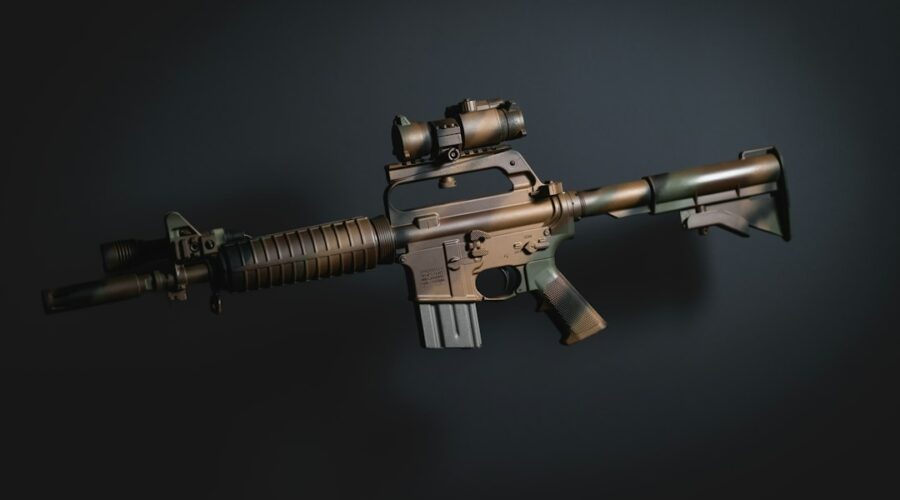
A custom ar15 build generally refers to configuring a firearm around specific preferences rather than selecting a completely standardized factory configuration. For responsible buyers, the process begins with understanding intended use, applicable laws, component compatibility, and safe handling expectations. The emphasis should remain on selecting appropriate equipment through lawful channels rather than making modifications without proper knowledge or authorization.
In This Article
- Please check before send
- What Should You Know Before Choosing a Custom AR15 Build?
- What does a custom AR15 build involve?
- Why do people consider customized configurations?
- What should be considered before selecting components?
- How important are legal requirements?
- Does customization affect reliability?
- What role does responsible maintenance play?
- How can buyers make informed decisions?
- What is the key takeaway?
Why do people consider customized configurations?
Customization can provide a more personalized ownership experience. Different users may have different preferences regarding ergonomics, controls, appearance, and overall configuration. A carefully considered setup can also make it easier to select features that correspond with a legitimate sporting or recreational purpose. However, customization should always remain within applicable federal, state, and local requirements.
What should be considered before selecting components?
Research is an important part of responsible firearm ownership. Buyers should consider reliability, manufacturer specifications, intended application, compatibility, warranty coverage, and service support. It is also useful to review technical documentation and consult qualified professionals when there is uncertainty about a particular component or configuration.
A simple planning approach can help organize the decision-making process:
Define the legitimate intended use.
Review applicable firearm regulations.
Establish compatibility requirements with qualified assistance.
Consider reliability and quality standards.
Prioritize safe storage and handling.
Keep documentation and manufacturer guidance available.
This approach reduces unnecessary complexity and encourages informed purchasing decisions.
How important are legal requirements?
Legal compliance is one of the most important considerations when evaluating any firearm configuration. Regulations can differ significantly by jurisdiction and may address ownership, transportation, configuration, purchasing procedures, storage, and restricted features. Requirements can also change over time.
Before purchasing or modifying a firearm, owners should verify current requirements with the appropriate government authorities and, where necessary, seek advice from a qualified firearms attorney or licensed professional. Online discussions should not be treated as a substitute for current legal guidance.
Does customization affect reliability?
It can, depending on the components selected and how a firearm is configured or modified. Quality, compatibility, maintenance, and professional inspection can all influence dependable operation. For this reason, inexperienced owners should avoid assuming that components are interchangeable simply because they appear similar.
Following manufacturer documentation and obtaining professional assistance when needed can help reduce avoidable problems. Any firearm that does not function as expected should be handled safely and evaluated by a qualified professional.
What role does responsible maintenance play?
Regular maintenance is an important part of firearm ownership. Owners should follow the manufacturer’s safety and maintenance recommendations and understand the correct procedures for their specific firearm. Safe handling practices should be maintained whenever a firearm is inspected, stored, transported, or serviced.
Secure storage is equally important. Firearms should be stored in a manner that helps prevent unauthorized access, particularly where children or other unauthorized individuals may be present.
How can buyers make informed decisions?
A professional approach starts with research rather than appearance alone. Product documentation, established safety practices, legal requirements, intended use, and professional support should all be considered together. Buyers can also keep records of relevant documentation and verify that any purchase or service is completed through lawful channels.
What is the key takeaway?
A personalized firearm configuration should be approached as a responsibility rather than simply a customization project. Understanding regulations, evaluating quality and compatibility, following manufacturer guidance, and maintaining strong safety practices are fundamental considerations. With careful research and appropriate professional support, owners can make informed decisions while keeping lawful ownership and responsible handling at the center of the process.
The Short Version
- A custom AR15 build involves configuring a firearm based on specific preferences and requires understanding the intended use and applicable laws.
- Buyers should prioritize selecting components based on reliability, manufacturer specifications, intended application, and compatibility.
- Legal compliance is crucial when evaluating any firearm configuration, as regulations vary significantly by jurisdiction and are subject to change.
- Customization can affect reliability depending on the chosen components and how the firearm is configured, necessitating professional guidance when uncertain.
- Regular maintenance following manufacturer recommendations is essential for safe firearm operation and should include secure storage practices to prevent unauthorized access.
- Informed purchasing decisions rely on thorough research, consideration of legal requirements, and consultation with qualified professionals.