
The global interest in peptide-based compounds has grown significantly over the past decade, driven by advancements in biotechnology and increasing awareness of targeted therapies. Among these compounds, cjc 1295 has gained attention for its role in supporting physiological research and performance optimization studies. Market data indicates a steady annual growth rate exceeding 8% in peptide-related sectors, reflecting heightened demand from clinical researchers and specialized laboratories.
What is Driving the Popularity of CJC 1295?
The increasing adoption of peptide compounds is supported by research trends showing that over 60% of experimental therapeutic studies now involve biologically active peptides. CJC 1295, in particular, is associated with growth hormone modulation, making it relevant in controlled scientific environments. Its longer half-life compared to traditional peptides contributes to sustained activity, which is a key factor influencing its demand in research settings.
How Do Market Statistics Reflect Growth Trends?
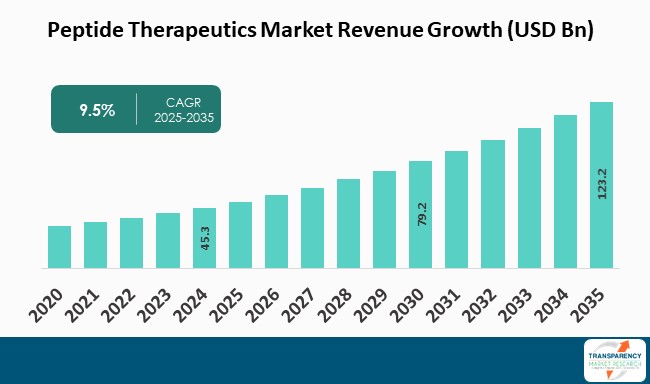
Industry reports highlight that the peptide therapeutics market surpassed USD 40 billion globally, with a projected compound annual growth rate (CAGR) of 9–10% through the next five years. Within this segment, growth hormone-releasing peptides account for approximately 15–20% of research applications. The demand for CJC 1295 aligns with this trend, as laboratories prioritize compounds with enhanced stability and prolonged biological activity.
What Are the Key Benefits Observed in Research Data?
Statistical observations from controlled studies suggest several measurable outcomes:
- Increased growth hormone pulse frequency in monitored environments
- Extended peptide activity duration compared to shorter-chain analogs
- Improved consistency in experimental dosing protocols
These factors collectively enhance research efficiency, which is a primary consideration for institutions investing in peptide-based studies.
How Does Technological Advancement Influence Adoption?
The integration of advanced synthesis technologies has improved peptide purity levels to above 98% in most high-quality production processes. This precision has directly impacted the reliability of compounds such as CJC 1295. Data indicates that laboratories utilizing high-purity peptides report a 25% improvement in reproducibility of experimental results, reinforcing the importance of quality assurance in peptide sourcing.
What Are the Regulatory and Quality Considerations?
Approximately 70% of research organizations emphasize compliance with strict quality standards when selecting peptide compounds. This includes verification of molecular integrity, batch consistency, and controlled storage conditions. The growing emphasis on transparency and traceability has influenced purchasing decisions, particularly in regions with stringent research regulations.
How Is Demand Distributed Across Global Markets?
Geographically, North America and Europe dominate peptide research consumption, accounting for nearly 65% of total market share. However, emerging markets in Asia-Pacific are experiencing rapid growth, with annual increases exceeding 12%. This shift reflects expanding research infrastructure and increased investment in biotechnology sectors worldwide.
What Does the Future Outlook Suggest?
Forecast models indicate that peptide-based research will continue to expand, driven by innovations in drug delivery systems and personalized medicine approaches. CJC 1295 is expected to remain a relevant compound within this evolving landscape due to its functional characteristics and adaptability in experimental frameworks.
How Should Researchers Approach Peptide Utilization?
Best practices derived from statistical analyses recommend:
- Prioritizing high-purity compounds for consistent outcomes
- Ensuring proper storage and handling to maintain peptide stability
- Following standardized research protocols to enhance data reliability
These practices are essential for maximizing the effectiveness of peptide-based studies and ensuring reproducibility across different research environments.
Conclusion
The data-driven growth of peptide research underscores the increasing importance of compounds like CJC 1295 in modern scientific exploration. With strong market expansion, technological advancements, and rising global demand, peptide-based solutions are positioned as a critical component of future biomedical research.