
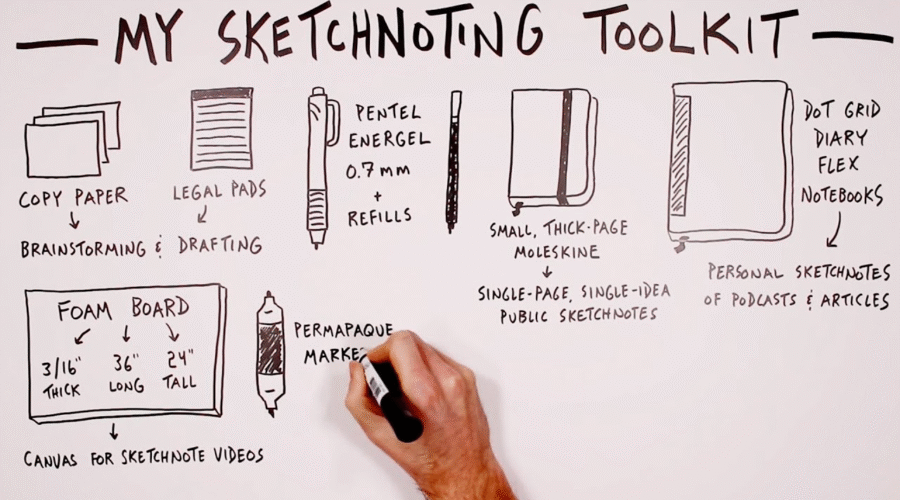
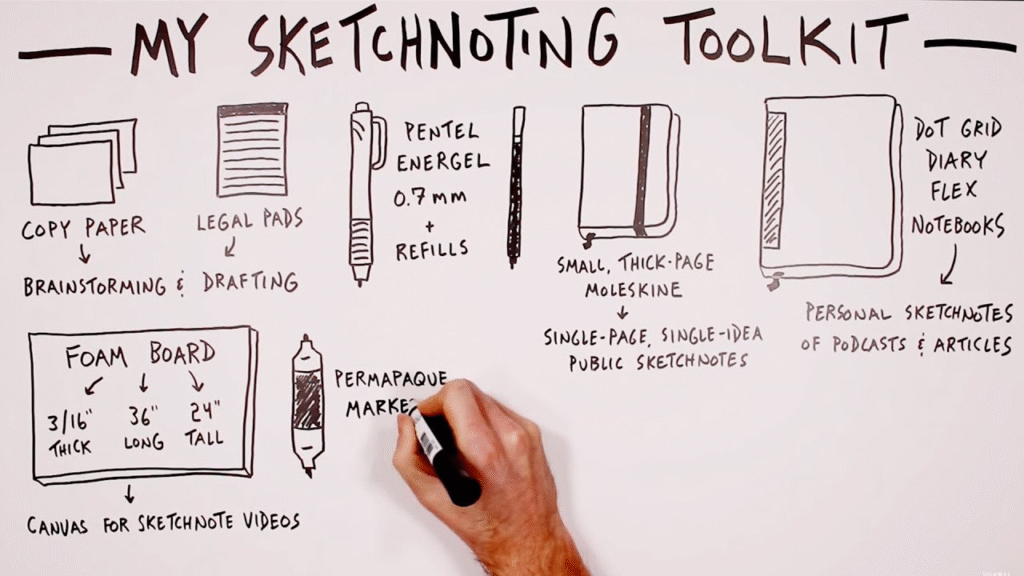
Visual note taking is a simple and creative way to take notes by mixing words with small drawings. If you’ve ever written random words, circled ideas, or drawn shapes during a call or meeting, you’ve already tried a form of this method. Visual note taking helps your brain stay active and focused by turning ideas into pictures and short notes. Instead of only writing lines of text, you create a map of ideas that is easier to remember and more fun to review later.
Visual notes are used by students, teachers, and workers in many fields. You don’t need to be good at art to do it. Stick figures, arrows, boxes, and simple icons are more than enough. The goal is not to make pretty drawings, but to help your brain understand and remember what you hear.
How Visual Notes Help Your Brain
When you draw while listening, your brain uses more than one skill at the same time. You are listening, thinking, and moving your hand. This helps you stay focused and remember more later. Drawing key ideas also helps you see how topics connect.
Many people find that visual notes help them:
- Remember key points better=
- Stay focused during long talks or meetings
- Understand big ideas more clearly
- Feel more relaxed and less stressed
Visual note taking can also make learning more enjoyable. Instead of feeling bored, you are active in the process. Your notes become something you want to look at again, not just pages of plain text.
How to Start Visual Note Taking Today
Getting started with visual note taking is easy. You don’t need special tools or skills. All you need is paper, a pen or pencil, and the courage to try. At first, your notes might look messy, and that’s okay. The goal is to learn, not to create perfect pages.
You can practice while watching a show, listening to a podcast, or sitting in a meeting. Over time, you’ll find your own style and favorite symbols to use again and again.
Simple Steps to Build the Habit
Here are easy steps to help you begin:
1. Choose your tools
Start with simple tools like a pen and notebook. If you like digital notes, you can use a tablet and a drawing app. Black ink is fine in the beginning. You can add color later if you want.
2. Use basic shapes and words
Use circles, boxes, lines, arrows, and stick figures. Write short words or short phrases. Keep it simple and fast.
3. Focus on main ideas
You don’t need to write everything. Listen for key points and draw small images to show them. Use lines or arrows to connect ideas that belong together.
4. Let go of being perfect
Your notes don’t need to look good to work well. No one else needs to understand them. They are for you. Relax and enjoy the process.
5. Review your notes later
After the meeting or class, look at your notes again. Clean them up if needed. Add a few words to explain anything unclear. This review helps lock the ideas into your memory.
Final Thoughts
Visual note taking is a fun and useful way to learn, think, and stay focused. It helps you turn ideas into clear, simple pictures that are easier to remember. You don’t need talent or training—just start small and practice often. Over time, you’ll notice that learning feels lighter, clearer, and even more enjoyable.