
Modern construction is moving toward sustainable building design by focusing on structures that use fewer resources, reduce energy waste, and provide healthier spaces for people. Buildings
today must be designed to handle changing weather conditions, control energy use, manage moisture, and remain strong for many years. Green building techniques help achieve these goals by combining smart design choices, durable materials, and efficient systems that improve a building’s overall performance.
Green building is not only about adding eco-friendly features. A successful green structure depends on how every part works together, including insulation, windows, ventilation systems, materials, and water management. A single product cannot make a building sustainable. Long-term performance comes from careful planning with building performance energy modeling, proper construction methods, and choices that support energy efficiency, comfort, and durability.
Understanding Green Building Techniques and Their Benefits
What Are Green Building Techniques?
Green building techniques are construction methods that reduce environmental impact while improving building efficiency, durability, and indoor comfort. These practices focus on how a building performs throughout its entire life, from construction and daily operation to maintenance and future repairs.
These methods influence important areas such as energy use, material selection, water conservation, air quality, and structural strength. Instead of focusing only on the cost of building a structure, green construction considers long-term savings and environmental benefits.
A well-designed green building can lower energy bills, reduce waste, improve indoor air quality, and create a more comfortable environment for occupants.
Green Roof Systems
Green roof systems use plants, soil layers, and protective materials installed above a waterproof roof surface. These systems provide additional insulation while helping control rainwater runoff.
The plants and soil help reduce heat absorbed by the roof, which can lower cooling needs during hot weather. Green roofs can also protect roofing materials from direct sunlight and temperature changes, helping extend the life of the roof.
However, proper design is important. Drainage systems, waterproof layers, and root protection must be installed correctly to prevent water problems. While green roofs may cost more at the beginning, they can provide long-term benefits through improved energy performance and reduced maintenance needs.
Solar Panel Integration
Solar panels allow buildings to create renewable energy directly from sunlight. By producing electricity on-site, solar systems can reduce dependence on traditional energy sources and help lower operating costs.
The success of a solar system depends on several factors, including roof direction, sunlight exposure, shading, and system size. Proper installation also requires attention to roof strength because panels add extra weight and must handle wind conditions.
Although the initial investment can be high, solar panels may provide long-term savings depending on energy use, electricity prices, and available programs that support renewable energy.
Rainwater Harvesting Systems
Rainwater harvesting collects and stores rainwater from rooftops for uses such as watering plants, cleaning, and toilet flushing. These systems help reduce the amount of treated water needed from local supplies.
A good rainwater system depends on proper storage size, filtration, and overflow planning. When designed correctly, it supports better water management and can help reduce monthly water expenses.
Insulated Concrete Forms (ICFs)
Insulated Concrete Forms (ICFs) are building systems that combine strong concrete walls with continuous insulation. This creates a wall structure that improves energy efficiency, sound control, and protection against moisture.
One of the biggest advantages of ICF construction is its ability to reduce heat transfer. The continuous insulation helps prevent energy loss, while the concrete core provides strength and stability.
ICFs also offer long-term durability because concrete walls resist common issues such as pests, rot, and weather damage. This can reduce repair needs and help buildings last longer.
Passive Solar Design
Passive solar design uses building placement, window locations, and shading features to control natural sunlight and heat. Instead of depending only on mechanical systems, the building itself is designed to use sunlight effectively.
Proper planning can help reduce heating needs during colder months and prevent overheating during warmer seasons. The design must match the local climate because poor planning can increase indoor temperatures and energy use.
Recycled and Sustainable Materials
The materials used in construction have a major effect on environmental impact. Choosing recycled and renewable materials can reduce waste and lower the demand for new raw resources.
Examples include recycled metal, reclaimed wood, bamboo, and improved concrete products. These materials must still meet safety, strength, and durability requirements to ensure long-term performance.
Using durable materials also reduces the need for frequent replacement, helping save resources over time.
Energy-Efficient Windows and Doors
Windows and doors play an important role in controlling heat movement and air leakage. Poor-quality openings can allow heated or cooled air to escape, increasing energy use.
Energy-efficient windows often include better insulation, advanced glass, and stronger frames that help maintain indoor comfort. Proper installation is just as important because gaps around windows and doors can reduce performance.
Better window and door systems can lower heating and cooling costs while creating a more comfortable indoor environment.
Low-VOC and Non-Toxic Materials
Building materials can affect indoor air quality long after construction is completed. Paints, adhesives, and finishes with low levels of harmful emissions help create healthier indoor spaces.
Low-VOC materials reduce unwanted odors and improve air quality for people living or working inside the building. These products should still provide good durability and be easy to maintain.
High-Efficiency HVAC Systems
Heating, ventilation, and air conditioning systems control indoor temperature, humidity, and air movement. Energy-efficient HVAC systems use improved technology to provide comfort while using less energy.
Proper sizing is important because oversized systems may waste energy and operate inefficiently. Good design includes accurate calculations, sealed ductwork, and proper airflow planning.
Efficient HVAC systems can reduce energy expenses while improving indoor comfort.
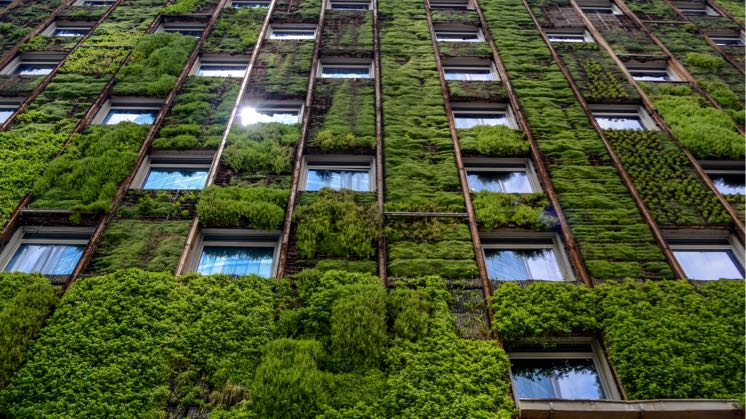
Living Walls
Living walls add plants to vertical surfaces of a building. These systems can provide extra shading, improve appearance, and help reduce heat around building surfaces.
To work effectively, living walls need proper irrigation, drainage, and support systems. Poor installation can create moisture problems, so careful planning is necessary.
When maintained properly, living walls can support greener and more attractive urban spaces.
How Green Building Techniques Improve Long-Term Building Performance
The Importance of Combining Green Building Strategies
Green building methods work best when they are planned together. Insulation, air sealing, energy systems, and material choices all affect each other.
For example, a well-insulated building needs less heating and cooling because it prevents energy loss. Durable materials reduce repairs, while efficient systems lower daily operating costs.
The goal of green construction is not just to add environmentally friendly features but to create a building that performs better throughout its entire lifespan.
Cost and Long-Term Value of Green Construction
Many people focus only on the starting cost of construction. However, green buildings should also be evaluated based on future savings.
Energy-efficient designs can reduce monthly expenses, while durable materials may lower maintenance costs. Over time, these benefits can balance the higher cost of some sustainable features.
A building that uses fewer resources and requires fewer repairs can provide better long-term value.
Future Trends in Green Building
Green construction continues to improve as new technologies and materials become available. More builders are focusing on energy-efficient systems, stronger materials, and designs that can handle changing climate conditions.
Some growing trends include:
- Greater use of renewable energy systems
- Improved energy-saving heating and cooling technologies
- More attention to reducing construction waste
- Better planning for long-term building durability
- Increased use of materials with lower environmental impact
Building Stronger Structures with Fox Blocks
Fox Blocks Insulated Concrete Form systems support green construction by combining insulation, strength, and air control in one wall system. Their design helps improve energy performance, moisture protection, and long-term durability.
By creating strong and efficient wall assemblies, ICF systems can support buildings that are more comfortable, durable, and energy-efficient. Choosing the right construction method plays an important role in creating sustainable buildings that can perform well for many years.