
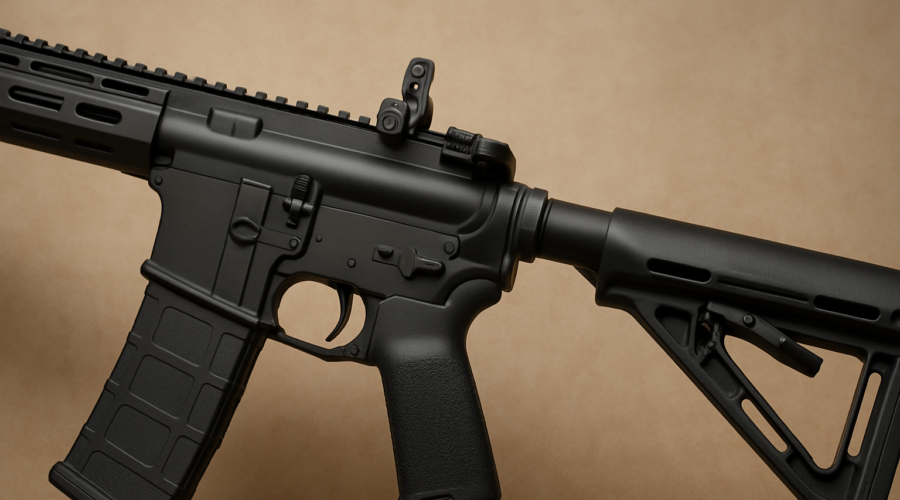
What Should You Know Before Considering a Custom AR-15 Build?
Choosing a rifle involves understanding its intended purpose, construction quality, maintenance requirements, and applicable regulations. A custom ar15 build is a topic that attracts attention from enthusiasts who value personalization, informed equipment selection, and long-term ownership considerations. Before exploring available options, it is important to establish clear expectations, understand relevant safety responsibilities, and evaluate whether a factory-assembled firearm meets individual requirements. Careful research can help prospective owners make responsible, informed decisions without overlooking legal obligations or practical considerations.
Why Do People Explore Custom Rifle Options?
Enthusiasts may consider personalized rifle options because they want particular features, a preferred appearance, or equipment suited to lawful recreational activities. Personal preferences can influence choices involving ergonomics, external finishes, and compatible accessories. However, customization should never take priority over reliability, safe handling, or compliance with applicable laws. Understanding the purpose of each feature helps buyers distinguish meaningful benefits from cosmetic changes and unnecessary expenses.
What Should Buyers Look for in Manufacturing Quality?
Manufacturing quality is an important consideration when evaluating any firearm. Buyers should research the manufacturer’s reputation, material specifications, quality-control procedures, warranty coverage, and customer support. Consistent workmanship and reliable documentation provide useful indicators when comparing available products.
It is also sensible to review official product information rather than relying exclusively on promotional descriptions. Clear specifications help prospective owners understand what a product includes and which responsibilities accompany ownership. When questions concern compatibility, inspection, or servicing, qualified professionals can provide appropriate guidance.
How Important Is Ergonomics When Evaluating a Rifle?
Ergonomics influences comfort, accessibility, and the ability to handle equipment safely. Factors such as overall dimensions, grip comfort, weight distribution, and ease of routine handling deserve consideration. Individual needs can differ, so a feature that suits one person may not suit another.
Prospective owners should evaluate ergonomic characteristics within a lawful, supervised environment and follow established safety procedures. Any assessment should prioritize secure handling and proper instruction rather than appearance alone. A qualified professional can help explain relevant product characteristics without encouraging unsafe modifications.
What Legal Requirements Should Owners Understand?
Firearm regulations vary by country, state, and jurisdiction. Requirements may address eligibility, licensing, registration, transportation, storage, possession, and restrictions on particular components or configurations. A product’s availability online does not automatically establish that purchasing or possessing it is lawful in every location.
Before making a decision, consult the appropriate government authorities and obtain qualified legal advice when necessary. Buyers should also verify that any seller operates lawfully and follows applicable transfer procedures. Keeping accurate documentation and understanding local responsibilities can help prevent avoidable legal complications.
How Can Owners Support Safe Storage and Maintenance?
Responsible ownership includes secure storage, routine inspections, and appropriate maintenance performed according to manufacturer guidance. Firearms should be stored unloaded in a secure location, with access restricted to authorized individuals. Ammunition should be stored separately where appropriate under applicable guidance and local requirements.
Owners should learn the fundamental rules of firearm safety, including treating every firearm as loaded, keeping the muzzle pointed in a safe direction, and keeping fingers away from the trigger until ready to fire lawfully. Any suspected malfunction should be assessed by a qualified gunsmith rather than addressed through improvised repairs.
Is a Personalized Option Always Better Than a Standard Model?
Not necessarily. A standard factory model may provide documented specifications, established support, and a straightforward purchasing process. A personalized option may offer preferred features, but it can also introduce additional costs, compatibility questions, and greater responsibility for verifying compliance.
The most suitable choice depends on lawful intended use, budget, available support, and the buyer’s experience. Comparing complete ownership costs, warranty terms, and service availability provides a more balanced basis for evaluating alternatives.
What Is the Best Way to Make an Informed Decision?
Start with reliable product documentation, confirm legal eligibility, establish a realistic budget, and prioritize safety. Seek advice from qualified professionals whenever technical or regulatory questions arise. Responsible research encourages better purchasing decisions while keeping reliability, lawful ownership, and secure handling at the center of the process.
The Short Version
- Before considering a custom AR-15 build, prospective owners should establish clear expectations and evaluate whether a factory-assembled firearm meets their individual requirements.
- Manufacturing quality is crucial, and buyers should research the manufacturer’s reputation, material specifications, and quality-control procedures.
- Ergonomics, which influences comfort and safe handling, should be assessed with individual needs in mind, prioritizing secure handling over appearance.
- Firearm regulations vary significantly by location, and buyers should consult government authorities and legal experts to ensure compliance with applicable laws.
- Secure storage and routine maintenance are essential aspects of responsible firearm ownership and should be carried out according to manufacturer guidance.
- While custom options can offer preferred features, a standard factory model may provide better support and compliance assurance.