
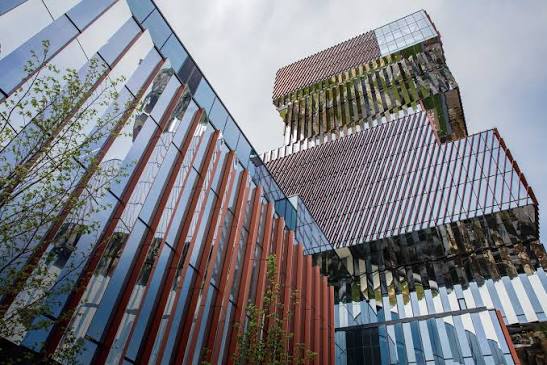
Advancing sustainable building methods has become an integral part of modern construction. Numerous commercial and industrial initiatives are now designed to meet the LEED (Leadership in Energy and Environmental Design) standards for their endeavour. Although energy-efficient systems are typically the darlings of any energy-efficiency discussion, structural steel is also an important contributor to a project’s LEED credits.
When you partner with experienced steel fabricators in Melbourne, your builders can make better selections that both support sustainability objectives without sacrificing structural integrity.
What is LEED Certification?
LEED is an internationally recognised rating system for green buildings. It assesses building performance in various aspects including energy efficiency, water, material selection, indoor environmental quality, and waste reduction.
Each project gets scored in various areas and the overall score gives a level of certification.
As a builder, an understanding of how construction materials play into these points is key to developing a project plan.
Structural Steel Supports Sustainable Building
Structural steel is amongst the most recyclable materials for structures. Steel, unlike many other construction products is infinitely recyclable, meaning it can be recycled in its original form again and again without loss of strength or quality.
Its sustainability benefits include:
- High recycled content
- Long service life
- Reduced construction waste
- Efficient use of raw materials
- Potential for future reuse
All of these characteristics make structural steel a great option for projects looking to achieve green building goals.
Material Documentation Matters
LEED certification seeks transparent documentation of sources and methods for creating materials.
Some information that builders should request is:
- Recycled content declarations
- Environmental Product Declarations (EPDs)
- Material sourcing records
- Product certifications
- Manufacturing details
Many contractors rely on experienced steel fabricators in Melbourne to provide the documentation they need as a part of this process.
Reducing Construction Waste
The other area is that of waste management where structural steel has benefits. Since steel components are produced based on precise dimensions before arriving on site, there is usually less cutting and waste of materials through the installation process.
Additional benefits include:
- Faster installation
- Fewer discarded materials
- Improved site organisation
- Easier recycling of offcuts
Efficient use of materials is key to making progress on sustainability goals while also delivering against project budgets.
Choosing Responsible Suppliers
The environmental performance of a project can depend on the quality of your supply chain. It is worth recommending that builders find suppliers having responsible manufacturing practices as well as transparent sourcing records.
Structural steel suppliers in Melbourne offer documented material information to provide assurance of compliance with project specification in conjunction with consistent quality standards to support sustainability objectives.
Partnering with experts among your suppliers also streamlines the LEED submission process.
Steel and Building Performance
Structural steel does more than enable environmental objectives. It is strong enough to permit longer spans, flexibility that reduces the volume of material in many applications.
Steel also supports:
- Durable building structures
- Adaptable future renovations
- Faster construction schedules
- Reduced maintenance over time
It adds value to the property throughout their life span and continues to provide benefits over time.
Planning for LEED Success
For builders that want LEED certification, sustainability should be part of their design thinking right from the start.
Helpful planning steps include:
- Confirm material documentation requirements early.
- Partner with vendors who have know-how in actual sustainability.
- Collaborate with engineers and architects
- Monitor recycled content over the life of the project.
- Maintain organised project records.
Planning ahead avoids subsequent delays in the review of certification documents.
Final Thoughts
To this day, structural steel has remained one of the most environmentally-friendly selections that you can make for a project. It can also help make valuable LEED credits by being recyclable, durable, easily-fabricated, and constructing less waste on-site.
Whether working with Melbourne steel fabricators when sketching the design or sourcing materials from reliable structural steel suppliers in Melbourne, having seasoned industry partners and proper documentation will ultimately help you reach your sustainability goals. By planning well, the structural steel can be a part of buildings that are designed to last for years − and make advantage of being green in construction.